Articles Posted in Uncategorized

Understanding DUI Law in San Diego

San Diego, a vibrant city known for its nightlife in the Gaslamp Quarter and scenic drives along I-5 and I-8, also sees its share of DUI arrests. Recognizing how the local DUI laws play out in California courts is crucial. In California, you are considered legally impaired if your blood alcohol content (BAC) is 0.08% or higher. However, this limit is reduced to 0.04% for commercial drivers and just 0.01% for drivers under 21, aligning with strict zero-tolerance policies for underage drinking.

Navigating DUI Cases in California Courts

Navigating a First DUI Charge in San Diego, California

Imagine you’re driving home after an evening out in the Gaslamp Quarter of San Diego. You see flashing lights in your rear-view mirror and soon find yourself facing a first-time DUI charge. Such scenarios are all too common in San Diego, where enforcement is particularly vigilant on major roads like I-5 and I-8. Understanding the legal landscape and potential consequences of a first-time DUI offense in California is crucial. The Law Offices of Susan L. Hartman, with a deep understanding of local DUI laws, can assist you in navigating these waters effectively.

Understanding DUI Cases in California

Understanding DUI with Injury in San Diego, California

DUI charges can become particularly serious when an accident results in injury. This situation frequently raises questions about the consequences and legal process that an individual may face. If you’ve been involved in a DUI incident in San Diego, especially in busy districts like Mission Valley or the Gaslamp Quarter, understanding the legal terminology and procedures specific to California DUI law is essential.

In California, a DUI causing injury can escalate from a misdemeanor to a felony under certain circumstances. This elevation in severity can significantly impact an individual’s life, affecting everything from driving privileges to professional opportunities.

Understanding DUI and Wet Reckless in San Diego

In San Diego, the concept of “DUI” (Driving Under the Influence) is well-known, particularly due to common enforcement areas like the Gaslamp Quarter and Mission Valley. However, the distinction between a DUI charge and a “wet reckless” conviction can often be unclear to drivers. Understanding these differences is crucial for anyone facing DUI charges in California. What is the difference between a DUI and wet reckless in California? This question often arises, especially when drivers consider plea options.

Key Legal Standards for DUI in California

Understanding DUI Charges in San Diego

Driving under the influence (DUI) in San Diego is not just a violation of local culture; it’s a serious legal issue governed by California state law. San Diego’s busy streets, from the bustling Gaslamp Quarter to the intersections of I-8 and I-5, are often patrolled with sobriety checkpoints to enforce DUI laws. It’s crucial to understand that California law mandates that operating a vehicle while having a blood alcohol concentration (BAC) of 0.08% or more is illegal. For commercial drivers, the threshold is even lower at 0.04%, and for those under 21, any detectable BAC of 0.01% can result in DUI charges.

The Legal Process After a DUI Arrest in California

This article is for general information and is not legal advice. Reading it does not create an attorney-client relationship.

Yes, You Can Be Arrested on a Scooter. Here’s What Every Rider in San Diego Needs to Know.

It seemed like a harmless decision.

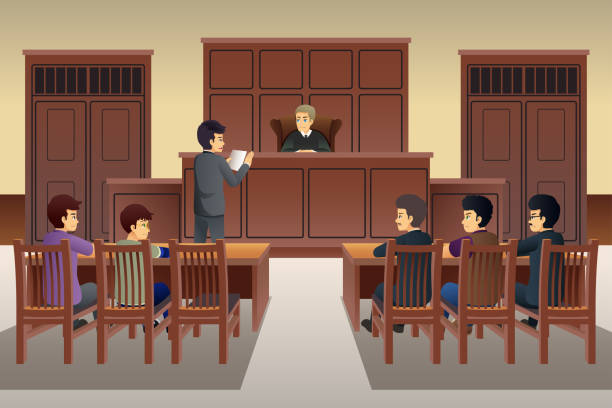
In criminal law, the term “evidentiary hearing” is frequently encountered, yet many people may not fully understand its significance or procedural intricacies. This post aims to clarify what an evidentiary hearing entails, its purpose within criminal proceedings, and its impact on the justice system.

courtroom-300x200

What is an Evidentiary Hearing? An evidentiary hearing in criminal law is a legal proceeding in which a judge examines evidence and hears testimony to resolve specific factual disputes or to determine the admissibility of certain evidence before a trial. Unlike a full trial, an evidentiary hearing is typically more focused, addressing particular issues that may arise during the pre-trial phase of a criminal case.

Evidentiary hearings are especially common in cases involving motions  to suppress evidence, challenges to the legality of arrests, or questions about a defendant’s mental competency. By evaluating the evidence presented, the judge can make informed decisions that can significantly influence the course of a case or the trial.

What is the Purpose of an Evidentiary Hearing? The primary purpose of an evidentiary hearing in criminal matters is to provide the court with a platform to assess evidence related to specific legal issues. Key objectives include:

  1. Determining Admissibility of Evidence: A significant aspect of criminal proceedings involves the admissibility of evidence. An evidentiary hearing allows the judge to determine whether certain evidence was obtained lawfully and whether it meets the standards for admissibility under the rules of evidence.
  2. Addressing Pre-Trial Motions: Criminal defense attorneys often file motions to suppress evidence, arguing some evidence was obtained in violation of the defendant’s constitutional rights. An evidentiary hearing provides a forum for the judge to hear arguments and examine the facts surrounding the evidence in question.
  3. Resolving Factual Disputes: In cases where there are conflicting accounts or discrepancies regarding the facts, an evidentiary hearing allows the court to assess the credibility of witnesses and the reliability of their testimony, aiding in the establishment of factual clarity.
  4. Promoting Fair Trials: By resolving preliminary issues before the main trial, evidentiary hearings help streamline the judicial process and ensure that trials focus on relevant and legally admissible evidence, contributing to a fair trial for the defendant.

Continue reading ›

When it comes to a DUI arrest in California, one of the most common questions is: “How long does the state have to file DUI charges against me?” The answer lies in what is known as the statute of limitations—and if you’ve been arrested for DUI or fear you may be, understanding this legal time limit is essential to protecting your rights.Question-Mark-210x300

What Is the Statute of Limitations? In criminal law, the statute of limitations is the legal deadline for the government to file charges. If prosecutors fail to file a case before the statute expires, they may lose the legal ability to prosecute you. The idea is rooted in fairness. Over time, evidence fades, memories weaken, and witnesses disappear. The statute of limitations ensures that criminal charges are filed while facts are still fresh.

Statute of Limitations for DUI in California. How long the state has to file DUI charges depends on whether the case is charged as a misdemeanor or a felony.

weedIt’s common knowledge that driving under the influence of drugs is illegal in California. However, determining exactly what constitutes “driving under the influence of drugs” may come as a surprise. Vehicle Code § 23152(f) is the law that makes driving under the influence of drugs illegal. The law is about as clearly written as it can be: “It is unlawful for a person who is under the influence of any drug to drive a vehicle.”

While the law is clear in its wording, it still leaves a lot of questions. Below are some of the most common questions about charges related to driving under the influence of drugs.

Is It Illegal to Drive Under the Influence of All Drugs? Or Just Illegal Drugs?

Contact Information